
Why effective planning matters
If you’re trying to manage a growing operation, you’ve probably heard that software planning for success can make or break your business. When you outline your technical vision early on, you reduce the risk of last-minute surprises and expensive fixes. Effective planning helps you anticipate challenges, allocate resources responsibly, and maintain a smoother development flow. It also aligns your entire team on measurable goals rather than vague ideas, which ultimately leads to more effective software development planning.
For small-business owners, this process may sound overwhelming at first. But a clear roadmap keeps everyone on the same page. You avoid scope creep by identifying exactly what you need from day one. Instead of scrambling to add new features midway through the project, you can make informed adjustments that won’t blow your budget or slow your timeline.
Define clear objectives
Your first step is to translate general business needs into specific software goals. Pinpoint what each feature must achieve, why it matters to you, and when you hope to see results. For example, you might want to boost customer satisfaction through a streamlined user interface, or increase your sales by automating parts of your ordering process. The better you define these goals, the easier it becomes to improve software project outcomes.
Stating your objectives upfront also helps you measure success. Instead of stopping at “We want a system that handles order tracking,” detail how many orders you want the software to support simultaneously, or how quickly it should deliver updates to customers. When your objectives are crystal clear, you’re able to track progress against specific benchmarks.
Assemble the right team
Once your goals are set, you need a solid crew to bring them to life. Whether you work with an in-house group or hire freelancers, it’s crucial to pick people whose skills match your objectives. Seek out individuals who are comfortable with your chosen technologies and can help you boost software development productivity with smart coding practices. You’ll also want a project manager or coordinator who keeps tasks on schedule and communicates any shifts in the plan.
In a small business environment, you often wear multiple hats. But remember that having too many disjointed roles can lead to confusion. If possible, assign one person to oversee the project’s vision, another to handle the day-to-day tasks, and a separate individual for quality assurance. This distribution allows your team to tackle issues swiftly and refine their areas of expertise.

Map out tasks and timelines
After you’ve got the right people on board, work with them to create a detailed plan of action. Make a list of tasks in order of priority, and ask your team to estimate how long each step will take. You can break major tasks into smaller action items so you can see exactly how everything fits together. This approach not only clarifies the path forward, but also reveals potential bottlenecks that could derail the project.
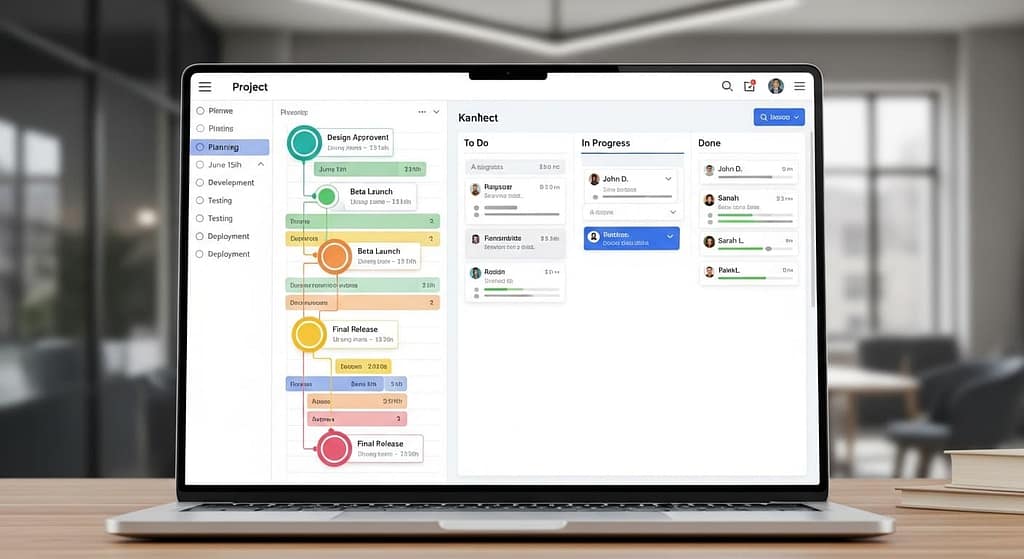
Consider adopting a small-scale chart or timeline to visualize each phase of the project. Keeping tasks visible keeps them manageable, which is vital if you want to avoid missing milestones. If any stage seems too vague or large, dig deeper. A clear roadmap is your best friend when it comes to planning software projects efficiently.
Monitor progress regularly
No plan works perfectly every time. That’s why regular check-ins are essential. Schedule frequent reviews and use them to see if your team is hitting key milestones or encountering technical obstacles. If your original estimates were off, it’s better to find out sooner rather than later so you can adjust. Consistent monitoring and open communication lead you toward software project success strategies that focus on proactive improvements, not crisis management.
Remember that monitoring isn’t limited to tracking deadlines. You also want to measure software quality and user satisfaction. For instance, if you’re beta testing a new feature, gather feedback quickly and incorporate it into the next coding cycle. By keeping an eye on all aspects of development, you maintain control and reduce the likelihood of costly fixes further down the line.
Adjust and evolve your plan
Flexibility in software development doesn’t mean you ignore structure. Instead, it means you’re prepared for the unexpected. Be ready to pivot if you discover a more efficient technology, or if market demands shift suddenly. This approach is how you maintain software development performance improvement without abandoning all your earlier research and efforts.
One practical way to stay flexible is to build regular reflection points into your plan. After a significant milestone, pause for a short debrief with your team: What went well? What needs work? This quick session helps you recognize where processes might be refined. Over time, you create a culture of continuous improvement grounded in both data and experience.
A quick checklist for evolving your plan
- Review unexpected challenges from recent tasks
- Evaluate current priorities and see if they still match business goals
- Identify possible cost savings or efficiency boosts
- Gather feedback from users, team members, or stakeholders
- Incorporate minor revisions before they become major setbacks
This simple reflection can save you endless frustration. By remaining agile and responsive, you refine your software sooner, deliver a better product faster, and avoid repeating the same mistakes.
Key takeaways
By now, you know that software planning for success involves more than just writing code. You need a clear vision, an aligned team, well-defined tasks, and an iterative approach that adapts to changes. When you focus on these pillars, you automatically position your project for software development better results.
By planning your software project with clear goals, priorities, and review cycles — just as Procedo’s agile custom development process does — small businesses can build tailored solutions that support growth, reduce cost, and respond to changing needs.
Detailed, flexible planning keeps you on track and helps you navigate any curveballs that arise. Through consistent checkpoints, thoughtful resource allocation, and a willingness to adjust, you can transform your business operations and amplify productivity. If you’d like to dive deeper, try exploring software project management best practices to continue refining your strategies.
Start small by clarifying your immediate goals and mapping out the first set of tasks. You’ll see how these steps naturally build momentum for the rest of your project. With proper planning, you’ll not only avoid costly mistakes, but you’ll also see your business thrive with software that supports growth rather than hindering it.
John Beluca is a Solutions Architect and founder of Procedo, with 20+ years of experience building custom CRMs and internal tools that simplify business processes.
All author posts